Why Your Factory Safety System Breaks Down on the Last Mile?
Most manufacturing organizations invest heavily in safety. They create policies. Conduct audits. Develop SOPs. Install safety equipment. Train employees. Appoint safety teams. Establish emergency procedures. On paper, everything appears to be in place.

Yet incidents still occur.

Why?

Because there is often a gap between what the organization intends and what actually happens on the factory floor.

This is the last-mile safety gap.
Siddhartha Bose
Safety information must become visible, accessible, actionable and measurable.

A safety policy created at the corporate level may take several steps before reaching the person operating a machine. It passes through managers, supervisors, training sessions, SOPs, signage and verbal instructions. At every stage, there is an opportunity for information to become unclear, outdated or simply forgotten.


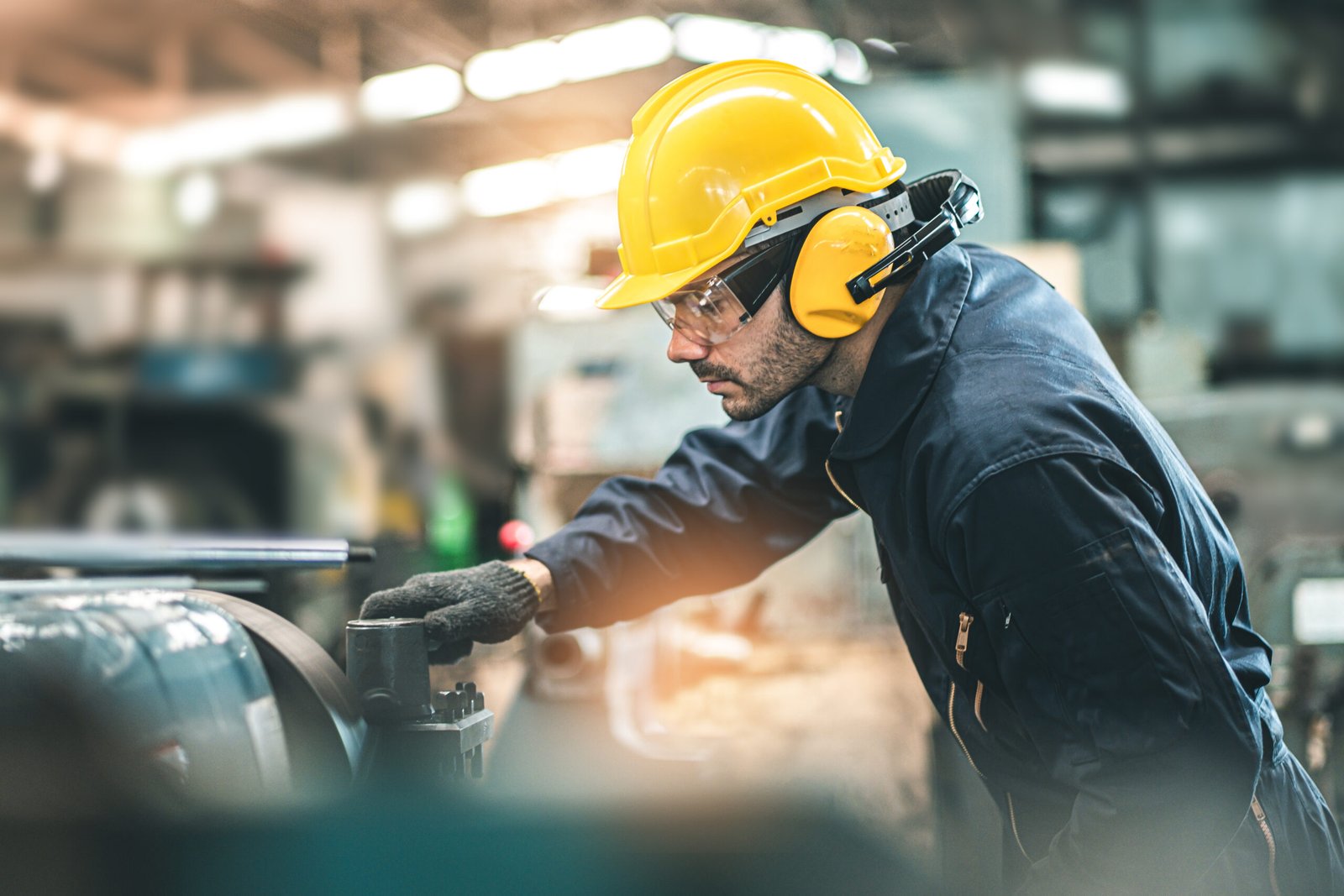
Industrial Engineers in Hard Hats.Work at the Heavy Industry Man
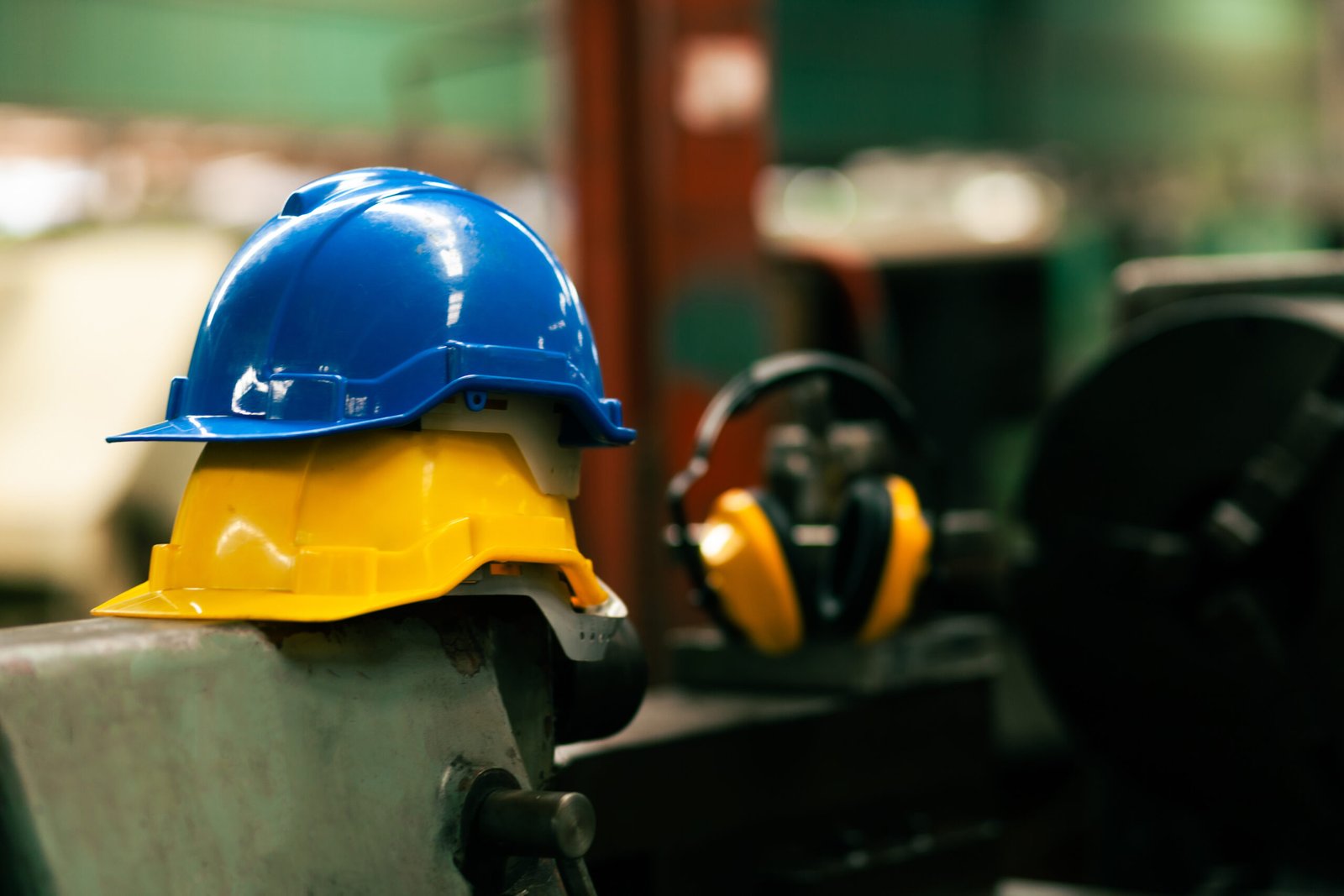
Close-up of hard hat construction helmet for engineer or worker
Safety is an experience

The frontline employee ultimately experiences safety not through the policy document, but through the physical environment around them.

  • Is the hazard clearly marked?
  • Is the machine warning visible?
  • Is the SOP understandable?
  • Is it available in a language the worker understands?
  • Is the emergency procedure obvious?
  • Can an incident be reported immediately?
  • Can the supervisor see that corrective action is still pending?

These seemingly small questions determine whether a safety system actually works.

The challenge becomes even greater in large factories employing contractors, temporary workers and multilingual teams. A technically perfect safety system can fail if its communication does not reach every person who interacts with the process.

This is why last-mile safety requires a different approach.

Safety is a culture

Visual management can make hazards and instructions easier to understand. Machine safety systems can reduce exposure to physical risks. Digital tools can make incident reporting and corrective action faster. Dashboards can help management identify recurring problems instead of simply reacting to individual incidents.

The objective is not to create more documentation.

It is to create fewer opportunities for misunderstanding.

A mature safety organization therefore asks a different question. Instead of asking, “Do we have a safety policy?” it asks:

“Can the person on the shop floor understand and act on that policy when it matters?”

That is where safety becomes real.

Because ultimately, safety does not live inside a policy document.

It lives on the factory floor.

You may also like

Related posts

Write a comment
Your email address will not be published. Required fields are marked *
Scroll