The Hidden Cost of Poor Visual Management in Manufacturing.
Walk into almost any factory and you will see signs, labels, markings, instructions and safety boards.

Yet visual management is often treated as decoration rather than infrastructure.

A faded floor marking, an outdated machine label or an unclear instruction may appear insignificant. But across a large manufacturing environment, these small communication failures can create significant operational and safety consequences.

Visual management exists to answer one fundamental question:

“What does a person need to know here, right now?”
Shashi Singh
Unsafe behavior begins with uncertainty

When the answer is unclear, employees are forced to rely on memory, assumptions or verbal instructions.

Consider a warehouse where pedestrian and forklift pathways are poorly marked. Or a production line where machine status indicators are inconsistent. Or a factory where emergency instructions are displayed only in a language that some workers cannot comfortably understand.

The organization may technically have a safety system, but the information is not reaching people effectively.

Poor visual management can contribute to errors, unsafe movement, incorrect process execution, longer training times and slower responses during emergencies.

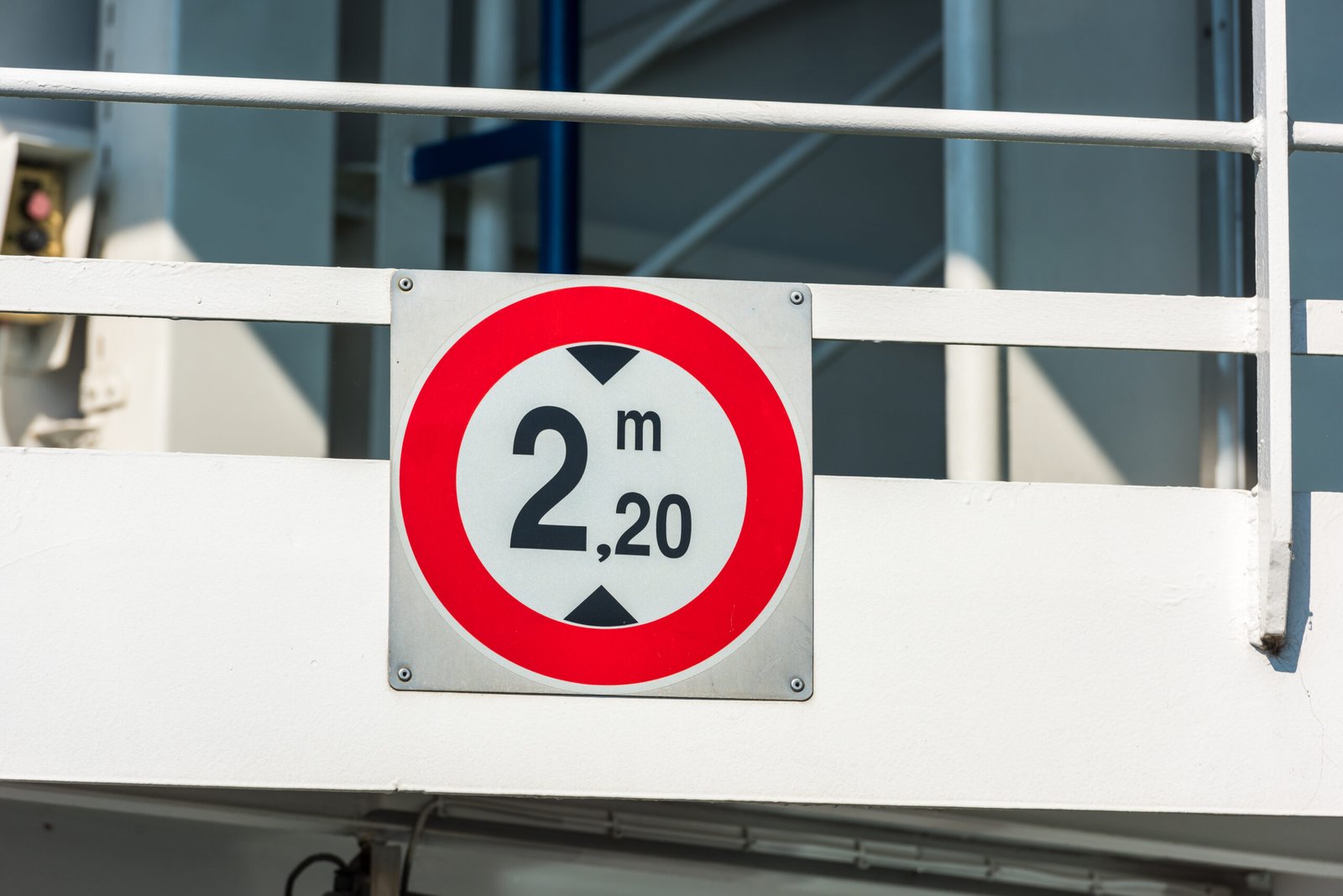
Sign of height restriction at the entrance to the ferryboat
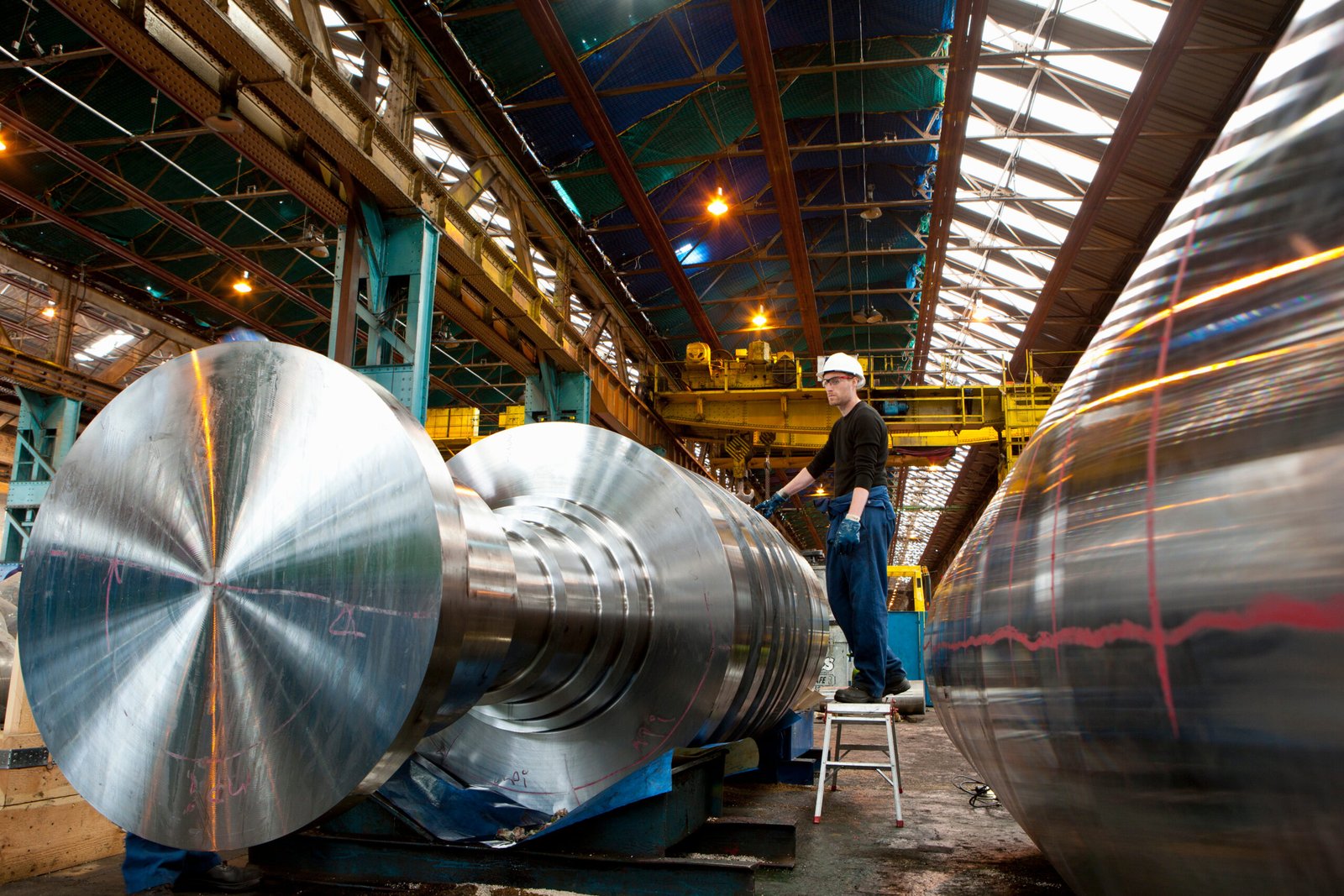
steel-worker-inspects-metal-parts-in-factory-2026-01-11-08-37-40-utc
Visual Language of a Factory

There is also an operational cost.

When employees cannot immediately identify equipment, materials, storage locations or process stages, time is wasted searching and asking questions. Inconsistent visual standards can make onboarding more difficult because new employees have to learn different conventions across different areas.

The solution is not simply to install more signs.

It is to create a visual language for the factory.

That language should define colours, symbols, typography, placement, floor markings, machine identification, safety communication and process information. It should also consider the needs of multilingual and diverse workforces.

Building great visual systems

Good visual management has three characteristics.

  • It is visible enough to attract attention.
  • It is simple enough to understand quickly.
  • And it is relevant enough to influence behaviour.

It must also be maintained. A visual system that was excellent five years ago can become ineffective when machines move, processes change or signs deteriorate.

This is why visual management should be audited just like other safety systems.

The real value of visual management is not aesthetic.

It is cognitive.

Every effective visual cue removes uncertainty and helps people make faster, safer decisions.

In manufacturing, where seconds can matter and mistakes can have serious consequences, that is a powerful advantage.

A well-designed factory doesn't just tell people what to do. It makes the right action easier to see.

You may also like

Related posts

Write a comment
Your email address will not be published. Required fields are marked *
Scroll